Online Booking System for a Small Business: Costs and GDPR
Short answer: For a small business, an online booking system usually costs between zero and 60 euros a month. SimplyBook.me, for example, offers 50 bookings a month free and 500 bookings for 29.90 euros on monthly billing. In Germany you also need a GDPR data processing agreement with the provider and clear cancellation terms that customers accept when booking.
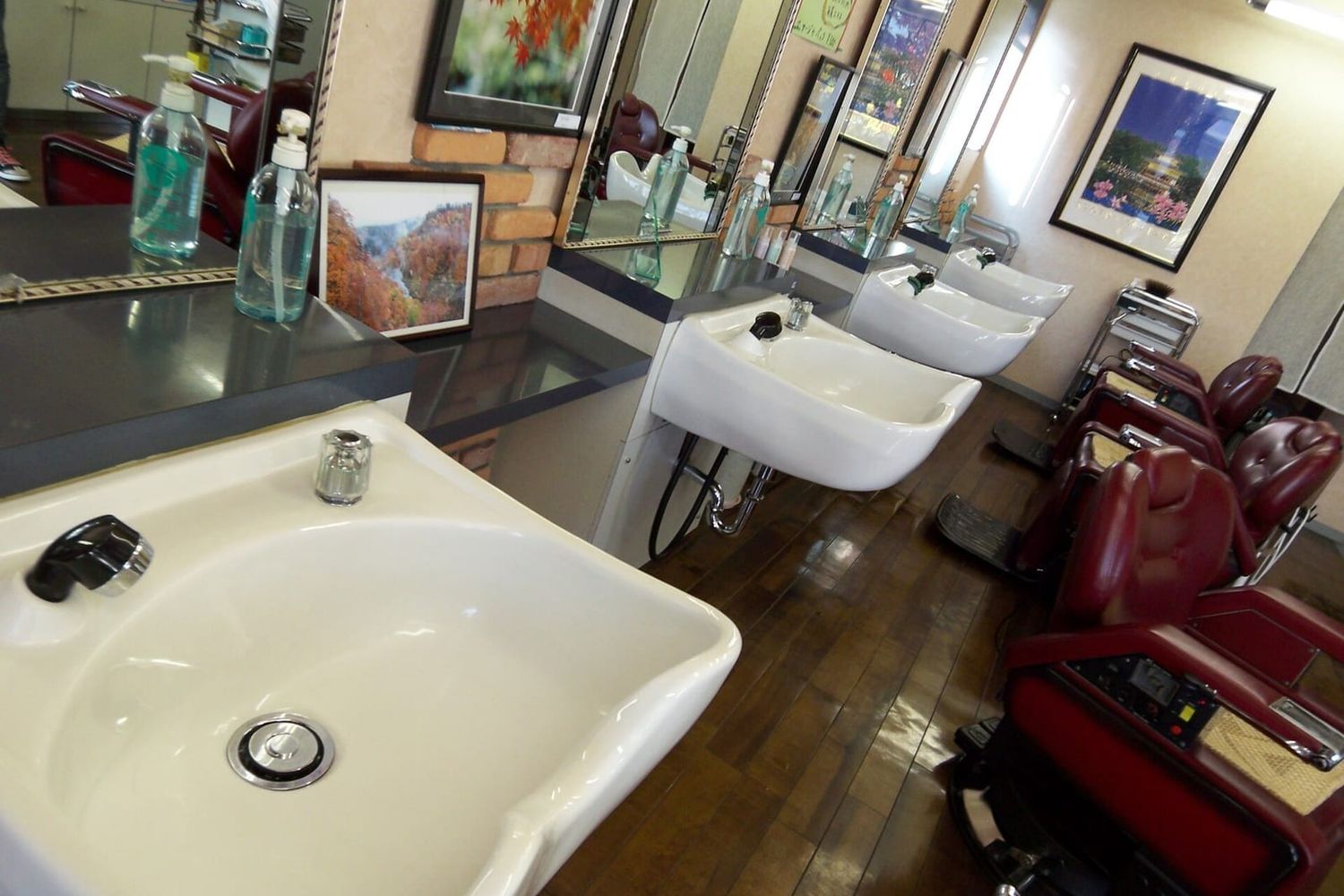
The phone rings while the stylist is mid-colour. Nobody picks up, and the customer books somewhere else. That lost sale never shows up in the accounts, which is exactly why it is easy to ignore.
A paper diary and a landline work perfectly well for a small service business, right up to the point where the diary becomes the bottleneck. Online booking won’t solve every scheduling headache. What it does is take the simple cases off your hands: book, move or cancel, without anyone needing a free hand. For salons, beauty studios, bike repair shops, tutoring or consulting, a hosted service is almost always enough. Building your own rarely pays off for a small business.
What booking software costs
Pricing models differ mainly in what they count: bookings per month, staff seats or features. Two examples, taken from the providers’ pricing pages in October 2026:
Source: simplybook.me pricing page, October 2026
On annual billing the paid plans drop to 11.90, 24.90 and 49.90 euros. Calendly, built more for meetings than for salons with chairs and rooms, has a free plan with one event type and charges 10 US dollars per seat per month on its Standard plan with annual billing.
Industry tools for hairdressers or medical practices often cost more but bundle a till, customer records or billing. Whether that is worth it depends on how many separate tools you already juggle.
Worked example: a salon with two chairs
- Appointments per month (2 × 8 × 22)
- 352
- Matching plan: SimplyBook.me Standard, monthly
- €29.90
- Phone time today (352 × 3 min)
- 17.6 hours
- Moved online (50 %)
- 8.8 hours
- Time freed per month for €29.90
- about 9 hours
Assumptions: 2 chairs, 8 appointments per chair per day, 22 working days, 3 minutes of phone time per booking, half of customers switch to online booking.
The model is deliberately crude, but the ratio holds. Even if only a quarter of customers book online, the subscription costs less than the phone time it saves. At 352 appointments, though, the free plan with 50 bookings runs out within days.
Features that matter more than the brochure suggests
- Reminders by email or SMS the day before. Some providers charge per SMS.
- Buffer times between appointments for cleaning or set-up.
- Resources, when an appointment needs a room or a machine as well as a person.
- Embedding on your own site as a widget, so customers don’t land on a page that looks foreign.
- Data export, in case you switch later.
With several staff offering different services, test exactly that scenario before paying. Free plans often allow only one calendar.
| Criterion | Hosted service | Custom build |
|---|---|---|
| Upfront cost | none to low | high |
| Monthly cost | €0 to €60 | hosting and maintenance |
| Time to launch | an afternoon | weeks to months |
| Unusual cases (machines, classes, packages) | partly | |
| Link to your own systems | via API, if offered |
GDPR: the paperwork you actually need
Your customers’ contact details and appointments end up with the booking provider. Under GDPR the provider is a processor acting on your behalf, so you need a data processing agreement under Article 28. Most providers offer it as a click-through form in the account settings. Download and keep it.
US providers can receive the data if they are certified under the EU-US Data Privacy Framework, in place since July 2023. An EU-hosted provider makes your privacy policy simpler but isn’t mandatory.
Health professions are the exception to watch. When a physiotherapist or a Heilpraktiker takes bookings online, the booking itself can reveal that someone is a patient. That is health data under Article 9 GDPR, with higher requirements for the provider and for security.
Your website’s privacy policy needs a paragraph on the booking tool: which provider, which data, how long it is kept. Many providers supply a template.
No-show fees under German law
Empty slots hurt any business that sells time. German law allows a cancellation or no-show fee if it was agreed in advance. The clean way is to have customers tick the cancellation terms when they book online.
If the fee sits in standard terms and conditions, section 309 no. 5 of the German Civil Code (BGB) sets limits. The flat amount may not exceed the damage normally expected, and the customer must be expressly allowed to prove that the actual loss was lower. Charging 100 percent for a haircut slot that you might fill again is open to challenge.
Our view: a reminder the day before with a one-click cancel link is the friendlier first step. Fees annoy people. Reminders help both sides, and a freed slot can still be resold.
Deposits instead of fees
Some businesses flip the logic and take a deposit at booking. Many booking systems connect to Stripe or PayPal for this. Customers who have paid tend to turn up, and you never have to chase a fee.
It costs something, though. Payment providers charge per transaction, which bites on small amounts. Refunds for timely cancellations need handling, and deposits belong in your bookkeeping with VAT at the right time. For long or expensive appointments, such as tattoos, colour treatments or a three-hour consultation, it is worth it. For a quick men’s cut, probably not.
Mistakes in the first weeks
Too many services is the classic. If a customer has to choose between 28 variants of “cut”, they will call instead. Start with a handful of clearly named services.
Unrealistic durations come next. Entering a colour treatment as 60 minutes when it usually takes 90 pushes the whole day back. Use real times plus a buffer.
Then there are parallel calendars. If bookings land both in a paper diary and online, a double booking is only a matter of time. From launch day, one calendar only, including phone bookings, which someone enters into the system.
Launching within a week
- Define services and durationsReal durations with buffers, no more than ten services at first.
- Test two providersRun real cases on the free plans, including cancelling and rescheduling.
- Sign the processing agreementIn the account settings, then update your privacy policy.
- Embed itButton on your website, booking link in your Google Business Profile.
- Update your voicemailPoint callers to online booking when nobody can answer.
The booking link in your Google Business Profile often matters most, because many customers find you through Maps rather than your website. If you still need a site, our breakdown of small business website costs covers the budget.
If your workflow is so specific that no standard tool fits, say bookings that also reserve a machine, materials and an invoice in one go, a custom application can make sense. Talking to a team doing custom software development helps you judge whether it is worth it. Everyone else: sign up for a free plan, test it for a week, then decide. You will find more on visibility and selling online in the website and shop section.
Questions people ask
Can I charge a no-show fee in Germany?
Only if it was agreed beforehand, for example in booking terms the customer accepts. A flat fee in standard terms must not exceed the damage you would normally expect, and the customer must be allowed to prove a lower loss, under section 309 no. 5 of the German Civil Code.
Is Calendly GDPR-compliant for a German business?
It can be used if you sign the provider's data processing agreement and the company is certified under the EU-US Data Privacy Framework. You still have to describe the tool in your privacy policy.
Can customers book directly from Google Maps?
Yes. You can add a booking link to your Google Business Profile, and some booking systems integrate with Google directly so the button appears in Maps and Search.
What changes for health practitioners?
Even the fact that someone books a physiotherapy slot can count as health data under Article 9 GDPR. Pick a provider built for practices and read its security documentation carefully.